


Hi y’all! Here are five stories from this week that contained some neat applications of economic principles or are related to teaching:
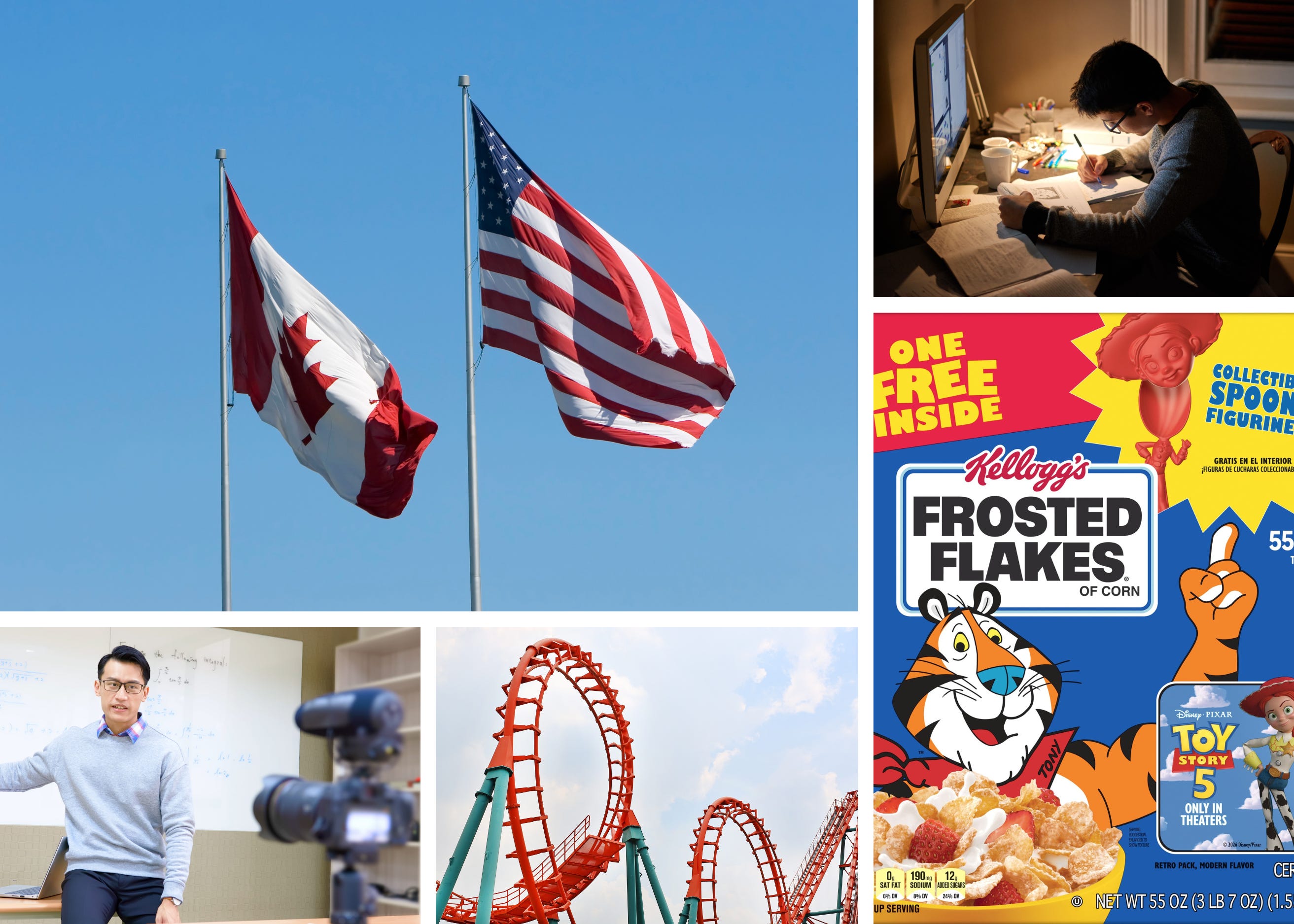
As U.S.-Canada trade talks collapse, Carney says retaliatory tariffs will start after Labor Day [CNBC]
In a recent survey of US college students, 22% said they’ve changed their major or concentration because of job market worries [Axios]
Harvard Business School is charging $699 for an entrepreneurship bootcamp that includes AI avatars of its professors, which listen and give feedback to pitches [TechCrunch]
Universal Studios Hollywood built a “whisper quiet” ride to avoid angering nearby neighbors, but they didn’t fully account for the enthusiasm of the riders [The New York Times | Archive]
Several breakfast cereals are bringing back physical toys inside boxes in a bid to boost sales [Fast Company]

NeeDoh squishies are the toy of the summer, but they’re almost impossible to find. Stores are rationing a product that isn’t even on the shelf. This week’s piece digs into why the company behind them won’t just raise the price to fix the shortage, and what a fixed-price toy craze can teach you about supply and demand. Read the full story to find out what’s really going on behind the empty shelf.
The Maker of America's Hottest Toy Refuses to Raise Prices

I’ve heard about these viral NeeDoh squishies for the past few years, but I’ve never actually seen one in real life. I’ve seen the fidget spinners and pop-its that preceded them, but the squishy, dough-filled stress balls have somehow taken over American childhoods, backpacks, and Tik…
Are you an educator looking for ways to introduce this week’s newsletter into your classroom? Sign up for the Classroom Edition of Monday Morning Economist to get assessments and lesson plans delivered straight to your inbox every week.
I literally bought frosted flakes for the spoon from toy story last week oblivious to the scale of this campaign.