


Hi y’all! Here are five stories from this week that contained some neat applications of economic principles or are related to teaching:
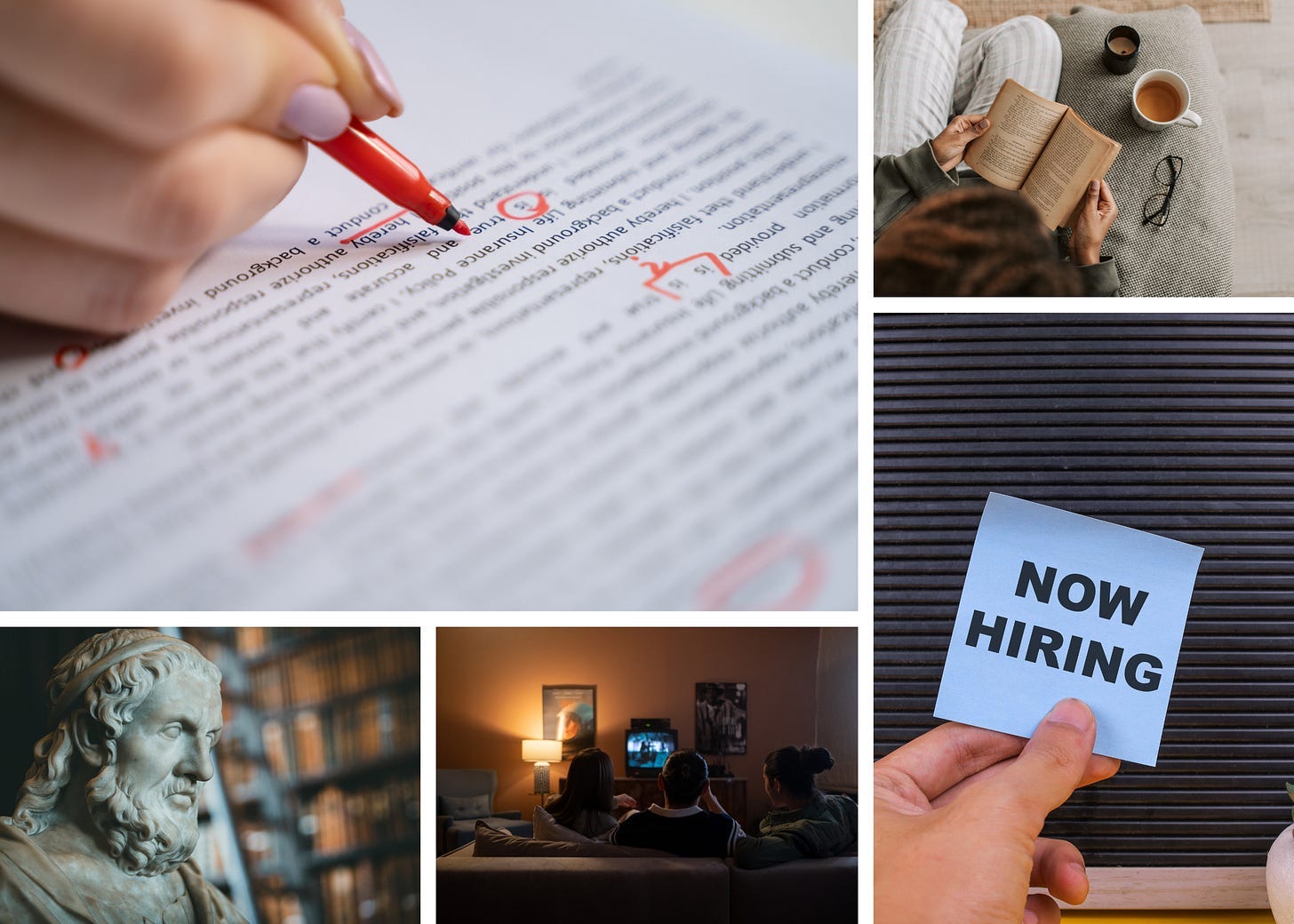
Presenting A.I. agents as digital employees may make human workers worse at spotting errors and more likely to offload accountability [MIT Technology Review]
Americans’ reading habits have declined across age groups, gender, and education levels [The Atlantic]
A.I. labs are hiring philosophy majors [The New York Times | Archive]
Why staying in isn’t the cost-saver it used to be [CNBC]
Why recruiters can’t find workers and new grads can’t find jobs (it’s not AI) [The Washington Post | Archiver]

A quarter of Americans believe they could score a penalty kick against a professional goalkeeper. This week’s piece uses that surprisingly common belief to unpack overconfidence bias, one of the most replicated findings in behavioral economics, and traces it from soccer surveys all the way to individual stock traders and sports bettors. Read the full story to see why the same instinct that makes people so sure they’d nail the shot is quietly costing investors and bettors real money.
From the Penalty Spot to Your Portfolio

The final whistle blows, and your heart sinks a little as you realize the game will be decided by penalty kicks. You’ve just watched two hours of a back-and-forth match come down to a handful of well-placed shots.
Are you an educator looking for ways to introduce this week’s newsletter into your classroom? Sign up for the Classroom Edition of Monday Morning Economist to get assessments and lesson plans delivered straight to your inbox every week.